
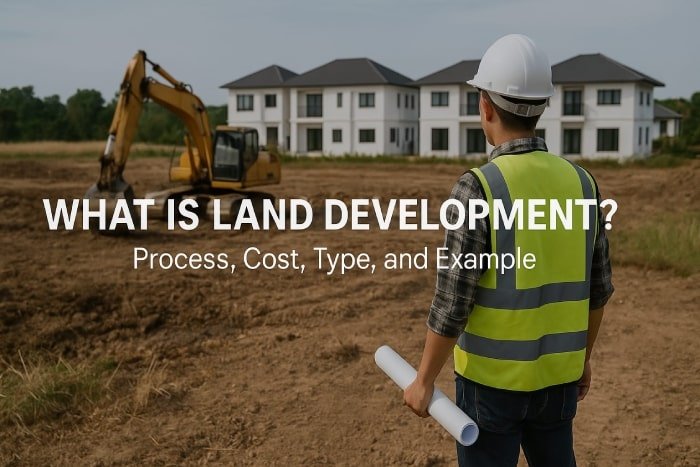
In 2025, land development is one of the most strategic (and risky) ways to grow property value. If you are eyeing raw acreage or an underused lot and thinking of turning that land into a usable property, you need to understand zoning, costs, approvals, and a process that doesn’t always go according to plan.
So, here’s what you need to know, from what land development really means to what it’ll cost you, who you will need, and where most people mess up.
What is Land Development?
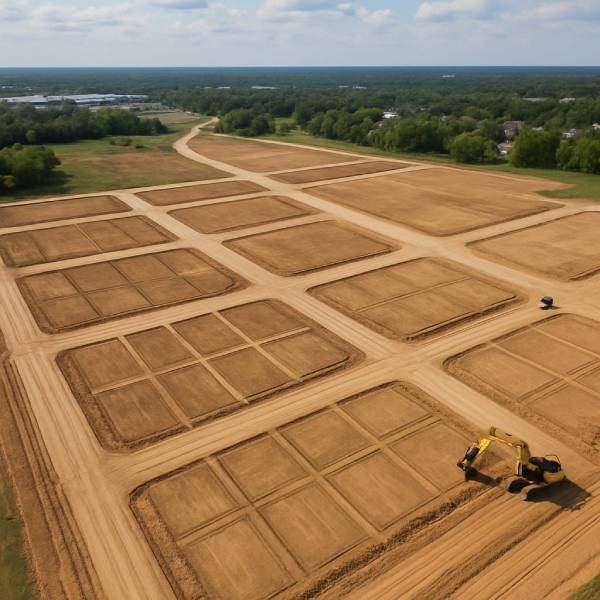
Land development is a process of preparing a piece of raw land for specific use that includes residential, industrial, commercial, or even a solar farm.
This process usually includes:
- Clearing and grading the land
- Installing roads, drainage, and utilities
- Making sure the project fits the local zoning laws
- Getting permits and approvals before construction
In short, land development is everything that happens before a building goes up.
Types of Land Development
You’ll hear this phrase tossed around a lot, but land development looks different depending on the goal.
Residential
From subdivisions to multifamily builds, residential land development focuses on housing. It’s the most common type and is usually subject to stricter zoning and community feedback.
Commercial
Think retail, offices, or mixed-use buildings. Commercial development involves high-traffic planning, environmental checks, and often, larger financial risk.
Industrial
These projects cover warehouses, factories, or fulfillment centers. They usually need access to highways or rail lines and have less neighbourhood resistance.
Agricultural or Rural
This includes farms, ranches, and now, renewable energy projects like solar farms. Zoning here is usually less complex, but the infrastructure can be lacking.
Each land development type has its own set of rules, requirements, and timelines. So, get familiar with them before jumping in!
The Land Development Process: Step-by-Step
Successful land development starts long before construction. This is how it mostly plays out:
1. Site Selection & Evaluation
Pick your location with care. Look at access to roads, utilities, schools, or retail, if it is residential.
See what the land is like. Check soil quality, slope, drainage, and flood zones. Ignore these things, and you could end up blowing your budget even before you begin.
2. Feasibility Study
What can be built here? Does the local zoning support your idea? Can you afford to develop it and still gain a profit? Do the necessary math early. Mistakes here are expensive.
3. Land Acquisition
Once the numbers work, lock in the land. Make sure to do this with possibilities in place for permits and approvals.
4. Zoning & Permitting
This part moves slower than you’d like. Expert back-and-forth with city planning, especially if rezoning is needed. Some approvals can take 6-12 months, depending on location. [Source: ULI 2024 Development Report]
5. Engineering & Design
Civil engineers and architects get to work on road layout, drainage systems, utility hookups, and building placement.
6. Site Development
This includes clearing, grading, roadwork, and running water, sewer, and electricity to the site.
7. Final Approvals & Handover
Once the city inspects and signs off, the site is ready for sale, lease, or vertical construction.
Pain Point: Most delays happen in zoning and permitting. If you’re not planning for red tape, then you’re planning for setbacks.
Land Development Costs in 2025
No two projects cost the same, but here’s what you can expect on average:
- Land Acquisition: 10% – 40% of the total budget
- SitePrep & Grading: $1.50 – $2.50 per sq. ft
- Permits & Impact Fees: $20,000 – $100,000+
- Engineering & Design: 5% – 15% of total cost
- Utilities & Roads: $25,000 – $50,000+ per lot
- Soft Costs (legal, consultants): Add another 10 – 15%
According to the NAHB 2025 Housing Report, development costs add roughly $94,000 to the final price of a new home, just for the land work.
Pain Point: Infrastructure surprises (like needing to extend a sewer main) can add six figures to your budget. Always leave room for a 15 – 20% buffer.
Zoning and Permitting: Where Projects Stall
Zoning defines what you can build and what you can’t. You’ll also need a long list of permits:
- Land Use Permits
- Environmental Impact Approval
- Grading & DrainagePermit
- Building Permit (eventually)
If your land isn’t already zoned for your intended use, you’ll need to rezone it. That’s a public process, and if the neighbours object, it can drag on for a year or more.
Pro Tip: Hire a local land use attorney early. They know how to navigate through your city’s approval process and when to push back.
Financing Land Development in 2025
Here’s the hard truth: banks see land as risky. Financing isn’t as simple as getting a mortgage.
Common Funding Options:
- Land Development Loans – Short-term, high-interest(9%- 12%), usually requiring a 25 – 30% down payment. [Source: CBRE 2025 Outlook]
- Equity Partnerships – Split risk with investors who bring cash.
- Pre-Sales or Lot Reservations – Lock in buyers even before you build.
Tip: Have a solid pro forma and clear exit strategy before approaching lenders.
Common Mistakes First-Time Developers Make
Here’s what trips people up most:
- Skipping due diligence – Soil issues or easement problems can kill a deal.
- Underestimating timelines – A ‘fast’ project still takes 18-24 months.
- Ignoring neighbours – Public opposition can halt rezoning cold.
- Overpaying for land – If you can’t make it pencil out, don’t force it.
Pain Point: Most beginners focus on construction costs. The real money gets lost in site prep and zoning headaches.
Professionals You’ll Need
You can’t (and shouldn’t) go it alone. Bring in:
- Land Use Attorney – To navigate local rules and regulations
- Civil Engineer – For site planning and utilities
- Surveyor – To map boundaries and grade
- Environmental Consultant – For sensitive or protected land
- General Contractor – To execute development
- Project Manager – To keep everything moving
Reminder: Good professionals cost money, but bad ones cost more in delays and rework.
Final Tips for a Smoother Land Development Journey
- Start Small. One parcel is better than ten if you’re new.
- Know your market. Don’t build condos in a rental-heavy neighbourhood.
- Get community support. If neighbours are onboard, approvals come faster.
- Plan for curveballs. Something will go sideways. Stay flexible.
Bottom Line
Land development is one of the most powerful ways to build value, but it only works when you respect the process. Do your homework, build the right team, and always have a backup plan.
Looking to develop land without getting buried in fees, red tape, or regrets? Start by understanding the full process, and build from there.
