
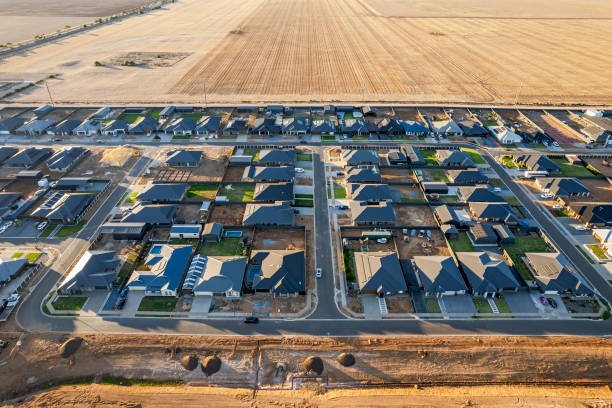
Coming across a good piece of empty land can make you question, “Can I make houses here?” and it’s the right question to ask. There are several factors to consider before building a home.
Residential land development is the process of turning raw, undeveloped land into something that’s ready for homes. It could be a small lot that is split or a part of a larger piece of land. In any case, the steps need to be detailed as the risks are real. The payoff will be worth it if the process is done right.
This blog will break down what residential land development actually is, why people do it, how the process works from start to finish, and what you need to know before jumping in.
What Is Residential Land Development?

Land development means taking a piece of land and preparing it for construction. When it’s residential, that means you’re preparing the land especially for housing like single-family homes, townhouses, duplexes, or even apartments.
This can involve:
- Clearing trees or brush
- Bringing in utilities like water and sewer
- Dividing the land into lots
- Getting city or county approvals
- Installing roads and drainage systems
You’re basically turning “raw” land into something build-ready.
Why Do People Develop Residential Land?
Money and opportunity.
As cities grow and housing demand rises, there’s a growing need for new lots where homes can be built. Residential land development fills that gap. Instead of buying existing homes, developers look at the land as a blank slate. It is more work, but the returns can also be bigger.
Other reasons people get into land development:
- They already own land and want to increase its value.
- They’re builders looking for a steady supply of lots.
- They are investors looking to flip developed lots to homebuilders.
Is Land Development Profitable?
It can be, but it depends on a few factors:
- The location
- The market demand
- Your costs (and if you stay on the budget)
- Whether you’re selling finished lots or building homes by yourself
When it is done correctly, land development can turn a cheap piece of raw land into a neighborhood full of buildable lots, each worth far more than the original purchase price. But if you have permitting delays, construction overruns, or a downturn in housing demand, profits can and will shrink fast.
How to Get Started: Step-by-Step
Looking at your piece of raw land and having the question of “Where do I even begin?” is brain-wracking. Give your brain a break and read the breakdown of how residential land development actually happens and what each step really means.
1. Find the Right Piece of Land
Start by looking for a land that is:
- Close to existing neighborhoods or growth zones
- Near schools, jobs, and highway access
- Zoned (or rezone-able) for residential use
- Accessible, landlocked parcels can be a nightmare
Tip: Just because land is cheap doesn’t mean it’s developable. Always ask/think: Why hasn’t someone built here yet?
2. Check Feasibility (Before You Buy)
Before you make an offer, run a feasibility study. This tells you if the land can be developed and whether it’s financially worth it.
Things to look into:
- Topography. Is the land flat or hilly? In some areas, the slopes can raise costs faster.
- The soil type. Some soils can’t support foundations or septic systems. Ensure that the soil is workable for you and your future home-building plans.
- Utilities like water, sewer and power lines.
- Zoning. For example, can you build what you want without causing a fight?
Checking all of these things alone can feel like a lot. Hire a civil engineer or land planner to help with this stage. It’ll save you from buying problematic land.
3. Secure Zoning and Permits
If the land zoning doesn’t match your plans, then you will need to apply for a rezoning or conditional use permit. This usually involves:
- Public hearings
- City council and county approval
- You can face some pushback even from neighbors
You will also need permits for everything like grading, utilities, road access, tree removal, and more. Permit timelines can be different, but don’t be surprised if it takes 3-12 months.
4. Design Infrastructure
You’ll work with a civil engineer to draw up plans for:
- Streets and driveways
- Drainage and erosion control
- Sewer, water, and electric lines
- Lot layouts and access points
These plans must follow local code and go through city or county review. Be ready for revisions and even resubmissions.
Related: 6 Free Ways to Find Property Lines (No Surveyor Required)
5. Clear and Grade the Land
Once your plans are approved, you can clear the site. This step includes:
- Removing trees, brush, or debris
- Grading the land so that water drains correctly
- Installing erosion control measures (like silt fences)
If your site has wetlands or protected trees, you may need special permits or mitigation plans.
6. Install Utilities and Roads
This is where costs start adding up:
- Trenches are dug for sewer, water, electric, and gas lines
- Roads are built or paved to meet city standards
- Streetlights, fire hydrants, and signage may be required
Important: You often can’t sell or build on lots until infrastructure is approved and inspected.
7. Subdivide and Sell or Build
At this step, you can legally split the land into separate taxable parcels (subdivision). You’ll file this with the county recorder’s office.
From there, you can:
- Sell the individual lots to builders or buyers
- Build homes yourself (if you’re a licensed builder or working with one)
- Partner with a developer or homebuilder for profit sharing
Note:
This process can take 12-24 months from the time you buy the land to the time you can sell a buildable lot, and sometimes even longer. That’s why planning, permits, and financing matter just as much as the land itself.
Related: 15 Best House Flipping Series to Watch
Legal and Zoning Considerations
This is where many land deals hit a wall. Zoning laws control what you can build and where. Even if a property looks like it should be residential, that doesn’t mean that it’s legally zoned that way.
Before anything else:
- Check the zoning classification (R1, R2, etc.)
- Read the local zoning code about lot sizes, setbacks, and allowed density
- See if rezoning or a conditional use permit is required
You will also want to know:
- Are there easements for utility lines or roads?
- Are there HOAs or deed restrictions limiting what you can build?
- Is the land in a Historic district or a conservation zone?
Working with a land use attorney or zoning consultant early in the process can help you avoid major headaches later.
What Infrastructure Do You Need?
Raw land usually lacks what most people take for granted: roads, sewer lines, streetlights, or even a basic driveway. Cities and counties will require you to put all of that in and do it to code.
Here’s what usually needs to be installed:
- Paved roads and curbs
- Sidewalks or walking paths
- Water and sewer lines (or septic if rural)
- Stormwater drainage and catch basins
- Power, gas, and fiber/internet access
- Streetlights and fire hydrants
If you’re developing in a rural area, you may also be responsible for drilling wells or designing septic systems.
How Much Does Residential Land Development Cost?
This is one of the first things most people ask, and one of the hardest to answer without knowing the specifics. But here’s a rough idea of where the money goes:
Hard Costs (Construction)
- Clearing and grading the site
- Roads, sewer, and water line installation
- Utility trenching and hookups
Soft Costs (Services and Fees)
- Surveys and soil tests
- Engineering and architectural plans
- Permits and city/county fees
- Legal fees and consulting
- Impact fees or development fees
Ballpark Estimate:
- Small residential lot split: $50,000 – $150,000
- Subdivision (10-20 lots): $500,000 – $2 million+
- Larger projects: $3M – $10M and up
Always budget extra for surprises like weather delays, permitting slowdowns, or price jumps in materials.
Related: Perc Test for Land: What It Is, Who Performs It & Why You Need One
Common Risks and How to Avoid Them
Residential land development can be profitable, but it’s not all risk-free. There are a few things you need to watch out for:
- Delays in permits. Cities can take months to review plans or change zoning.
- If there are any issues with utility access. If basic facilities are far away, then the costs will be higher.
- Look for environmental problems like wetlands, flood zones, or unstable soil that can stop the project in its tracks.
- Check if there are any legal disputes. Property line issues or unhappy neighbors can stall progress.
- Overbuilding! Developing too many lots in a weak market can leave you stuck.
Mitigation tip: Do your research upfront, hire an experienced professional, and don’t rush the due diligence phase. It’s better to lose a deal than end up with a money pit.
Environmental Testing and Soil Reports
Before you move dirt, you need to know what’s under it.
Most residential developers do:
- Phase 1 Environmental Site Assessment (ESA): Checks for contamination or old industrial use.
- Soil Tests: Decides whether the ground can support structures or septic systems.
- Wetland Delineation: Required if water features or marshy areas are present.
- Flood Zone Verification: FEMA maps will tell you if the land sits in a floodplain.
Skipping this step could cost you permits or force you into expensive remediation later.
How Do You Finance Land Development?
Most developers don’t pay for everything out of pocket. Here are some typical financing options:
Land Development Loans
These are offered by banks or private lenders. You usually will get higher interest rates than home loans and shorter terms.
Hard Money Loans
Fast but expensive, these are mostly used for quick-turnaround projects or if you don’t qualify for old-style financing.
Partnerships
Partner with builders, real estate investors, and even landowners. You can also split the profits with them.
Construction-to-Perm Loans
These are used if you plan to develop and build homes, roll development and construction into one.
Before you apply for this, make sure you have:
- A clear plan
- A budget
- A timeline
- Professional estimates
Lenders want to see that you’ve done your part.
Tips for First-Time Developers
If you’re new to residential land development, then you should do these things to avoid costly mistakes:
- Always start small. Try a 1-2 lot project before diving into a full subdivision.
- Choose and build your team early. Surveyor, engineer, zoning expert, and contractor.
- Talk to the city. Early input from the planning department can save you a lot of months.
- Always expect delays with permits, weather, and reviews. All of these will take longer than you think.
- Stay organized by keeping timelines, budgets, permits, and drawings all in one place.
Along with these, talk to people who’ve done it. Local developers and planners can offer insights that you won’t be able to find elsewhere.
When Is the Best Time to Start?
There’s no perfect time, but a few things help:
- Spring and summer: Better weather for site work and grading.
- Before housing demand peaks: Watch local housing trends and build to match them.
- After planning season: Many cities process zoning changes in cycles.
Also, watch for interest rates and construction material costs, both can shift quickly and change your margins.
Final Thoughts: Is Residential Land Development Right for You?
Land development is a big task. It’s not passive income, and it’s not a quick flip. But if you’re organized, patient, and willing to learn the process, it can turn a bare patch of land into something valuable and lasting.
Whether you want to build a few homes, start a side project, or become a full-time developer, this guide gives you the foundation to start smarter and avoid the most common mistakes.
Ready to Build Something That Lasts?
At Leonard Developments, we don’t just build homes, we build communities. If you need help with a single lot or exploring larger residential land opportunities, our team can help guide the process from planning to ground-breaking.
Need clarity on zoning, feasibility, or infrastructure?
Let’s talk through your site’s potential and map out a development plan that fits and actually works for you!
